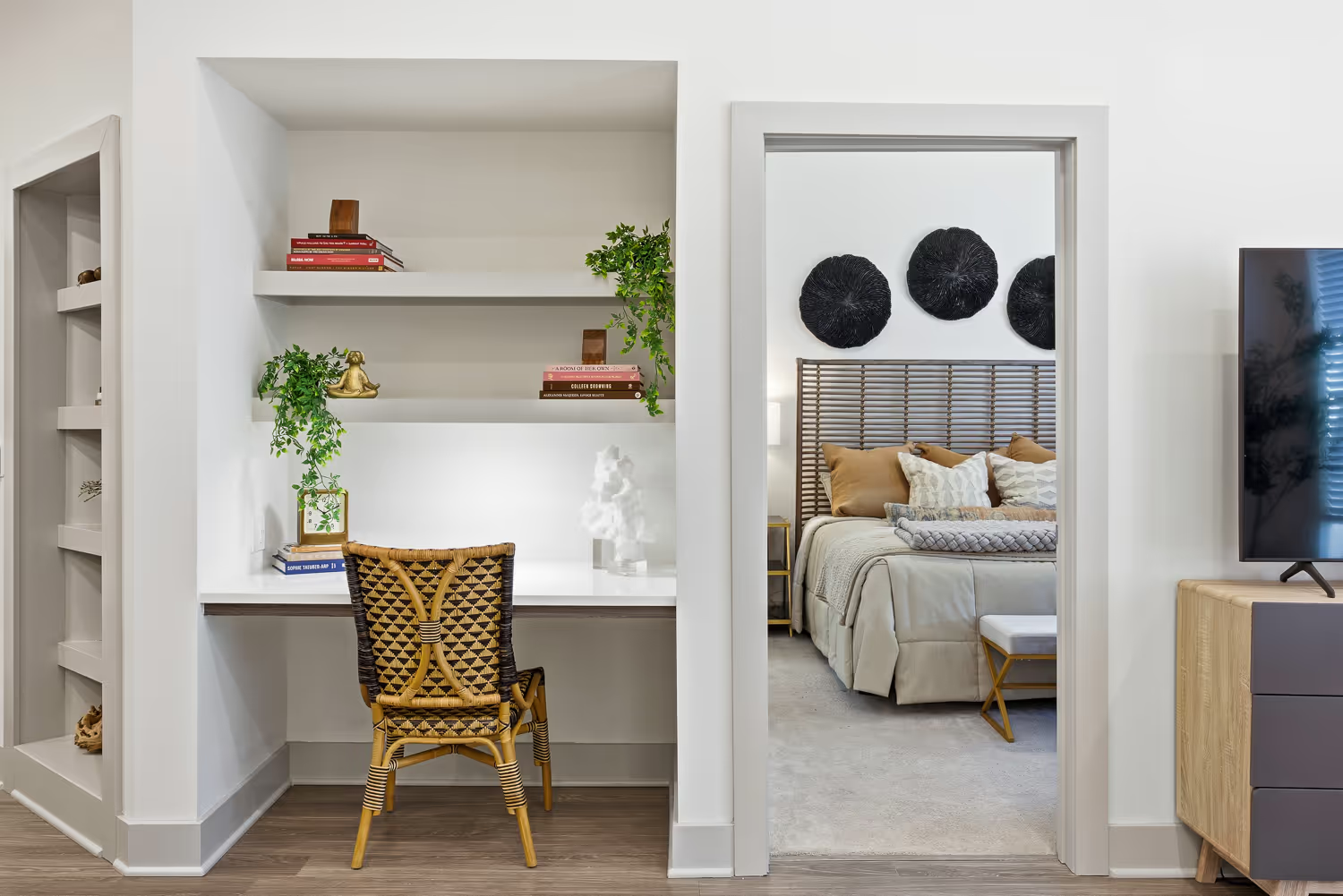
If you want to work as a real estate photographer in Boston, strong photos are not optional. Good images help listings get more views, more showings, and more trust from clients.
This guide is written for beginners. No fancy terms, no overthinking. Just clear tips that actually work in real homes and apartments around Boston and Greater Boston.
Start With the Right Gear (Keep It Simple)
Use a good camera
A full-frame DSLR or mirrorless camera is best, but you do not need the newest model. What matters is good low-light performance and sharp images.
Use a wide-angle lens
Most real estate photographers use something like a 16–35mm lens. It helps show the full room without cutting things off.
Always use a tripod
A tripod keeps photos sharp and walls straight. This is very important for real estate photography.
Bring one flash
Natural light is great, but Boston homes often have dark corners. One flash can help balance the light.
Easy Camera Settings for Real Estate Photography
If you are just starting, these settings are a good place to begin.
- Shoot in RAW
- Aperture: f/7.1 to f/11
- ISO: 200–800
- Use a slower shutter speed since the camera is on a tripod
- Take multiple exposures for each shot
Multiple exposures help you fix bright windows and dark rooms later.
Walk Through the Property First
Before shooting, always walk through the space.
Look for the best light
See which rooms get the most natural light and at what time of day.
Ask what the client wants
Realtors often want certain rooms or features highlighted.
Watch for distractions
Remove clutter, cords, trash cans, and personal items.
This step saves time later.
Lighting Tips That Make a Big Difference
Use window light first
Window light should be your main light source.
Add flash only when needed
Use flash to fill shadows, not to overpower the room.
Bounce the flash
Aim the flash at a wall or ceiling for softer light.
Watch mixed lighting
Warm bulbs and daylight can mix badly. Fix this in camera or in editing.
How to Frame Real Estate Photos Correctly
Good composition makes rooms feel bigger and cleaner.
Shoot from doorways
This shows more of the room and adds depth.
Show two walls when possible
This makes rooms feel balanced and natural.
Keep the camera level
Straight walls are a must for real estate photos.
Use the right height
About 5 feet high works for most rooms. Kitchens can be slightly higher.
Keep the Space Clean and Simple
Less is better
Clear counters, tables, and desks.
Use simple props
One plant or a bowl of fruit is enough.
Hide personal items
Photos, remote controls, and chargers should not be visible.
Standard Shot List for Real Estate Photography
If you want to work as a real estate photographer in Boston, consistency matters. A basic shot list helps.
- Living room: 4-6 shots
- Master Bedroom: 3-4 shots
- Bedrooms: 2 angles each
- Kitchen and dining: 5-6 shots
- Bathrooms: 2-3 shots
- Outdoor space: 2–3 photos if available
- Front exterior: shoot when light is soft
Simple Editing Tips for Clean Results
Editing should make the home look natural, not fake.
Fix vertical lines
This is one of the most important steps.
Adjust brightness and contrast
Rooms should feel bright but realistic.
Correct white balance
Avoid photos that look too yellow or too blue.
Use HDR carefully
HDR should fix light issues, not create strange colors.
Be Professional From Start to Finish
Use a contract
This protects both you and the client.
Be organized
Know your workflow before you arrive.
Follow client requirements
MLS size, file format, and delivery time matter.
Deliver on time
Fast delivery builds trust and repeat work.
Final Thoughts
Becoming a good real estate photographer in Boston is about doing the basics well, every time. Clean photos, good light, straight lines, and reliable delivery will take you far.
You do not need fancy tricks. You need consistency.